

 Home
Home
 National
 International
 Merit list
 Date Sheet
 Result
 Admission
 Study Abroad




Introduction
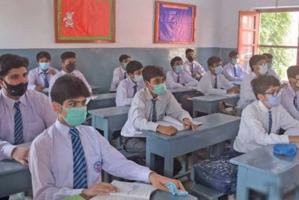
The importance of skills and the sensitive issues of society are intertwined in meaningful ways within the education sector. As communities grapple with various challenges, it becomes clear that skill acquisition goes beyond personal career growth. It serves as a tool for social progress and understanding. Education professionals are increasingly emphasizing the need for comprehensive skill sets that allow individuals to engage thoughtfully with topics that are often delicate or controversial. This approach helps in building a more cohesive society where people can address issues constructively.
Many educators believe that without proper skills, discussions around sensitive matters can lead to misunderstandings or conflicts. Therefore, integrating skill-based learning is seen as a proactive measure. Students who learn to think critically and communicate effectively are better prepared to contribute to solutions rather than exacerbating problems. The focus on skills in education is thus not just about employability but also about societal well-being.
Key Highlights
- Skill development enhances the ability to address complex social problems.
- Education plays a key role in fostering awareness of sensitive societal issues.
- Both technical and interpersonal skills are necessary for positive social impact.
- Communities benefit when individuals are equipped with empathy and problem-solving abilities.
- Integrating these elements in curricula leads to more inclusive environments.
Main Details
When considering the importance of skills and the sensitive issues of society, one must look at how education systems are evolving. Traditional learning methods are being supplemented with practical skill training. This includes areas such as emotional intelligence, which helps in understanding others' perspectives on sensitive topics like race, gender, and religion. By developing these skills, learners can approach discussions with respect and openness, reducing the likelihood of harm or offense.
Another aspect is the role of digital skills in today's society. With the rise of social media, information spreads quickly, and sensitive issues can become viral. Skills in digital literacy enable people to discern facts from misinformation and to engage in online conversations responsibly. This is particularly important for young people who are active on these platforms and may encounter various societal debates.
Furthermore, vocational skills and life skills contribute to addressing issues like unemployment and poverty, which are sensitive in many societies. When individuals are trained in practical abilities, they can achieve economic independence, which in turn helps in alleviating some societal tensions related to inequality. Education that combines academic learning with skill building creates well-rounded individuals who can support their families and communities.
Addressing sensitive issues requires not only knowledge but also the ability to apply that knowledge ethically. Skills like negotiation and mediation are crucial in resolving disputes that arise from cultural or social differences. Educational programs that include role-playing and scenario-based learning help students practice these skills in a safe environment before applying them in real life.
In addition, the importance of skills extends to leadership and advocacy. Skilled individuals can become advocates for change, using their abilities to influence policies and public opinion on matters such as human rights and environmental protection. Society as a whole benefits when more people are capable of leading initiatives that promote justice and equality.
Collaboration skills are also vital when dealing with sensitive societal issues. Many problems require collective action from various stakeholders, including governments, nonprofits, and citizens. Education that teaches teamwork and cooperation prepares students for such collaborative efforts. This can lead to more effective strategies for tackling issues like climate change impacts on vulnerable populations or healthcare access disparities.
Eligibility (if applicable)
As this discussion centers on the general importance of skills and their relation to sensitive societal issues rather than a specific educational program, there are no defined eligibility requirements. Anyone interested in personal development and social contribution can pursue skill enhancement through various educational channels available in their region.
Important Dates (if applicable)
Important dates do not apply in this context because the article provides informational content on educational principles and does not relate to enrollment periods or event schedules. Learners are encouraged to explore ongoing opportunities for skill development at their convenience.
Application Process (if applicable)
Since no specific program is highlighted, the application process is not applicable here. Individuals seeking to build skills relevant to societal issues should contact educational institutions or online platforms that offer courses in social sciences, communication, or community development to learn about their respective procedures.
Frequently Asked Questions
Q: How do skills help in dealing with sensitive issues of society?
A: Skills such as empathy, critical thinking, and communication allow individuals to understand different viewpoints and work towards constructive solutions without causing further division.
Q: Why is skill development important in education?
A: It prepares students not only for careers but also for active citizenship, enabling them to contribute to a better society by addressing challenges effectively.
Q: What kind of skills are most useful for social issues?
A: Soft skills like emotional intelligence, problem-solving, and cultural awareness are particularly valuable, alongside technical skills that can drive innovation in social sectors.
Q: Can skills training reduce societal conflicts?
A: Yes, when people are skilled in dialogue and understanding, they are more likely to resolve differences peacefully and promote harmony in diverse settings.
Conclusion
In conclusion, the importance of skills and the sensitive issues of society highlight the need for a transformed approach to education. By prioritizing skill development, educational systems can empower individuals to become agents of positive change. This benefits personal growth and strengthens society by fostering understanding and collaboration. Educators, policymakers, and communities must work together to make skill-based learning integral to education. A skilled population is better equipped to resolve delicate matters, leading to a more equitable world.